This website uses cookies so that we can provide you with the best user experience possible. Cookie information is stored in your browser and performs functions such as recognising you when you return to our website and helping our team to understand which sections of the website you find most interesting and useful.
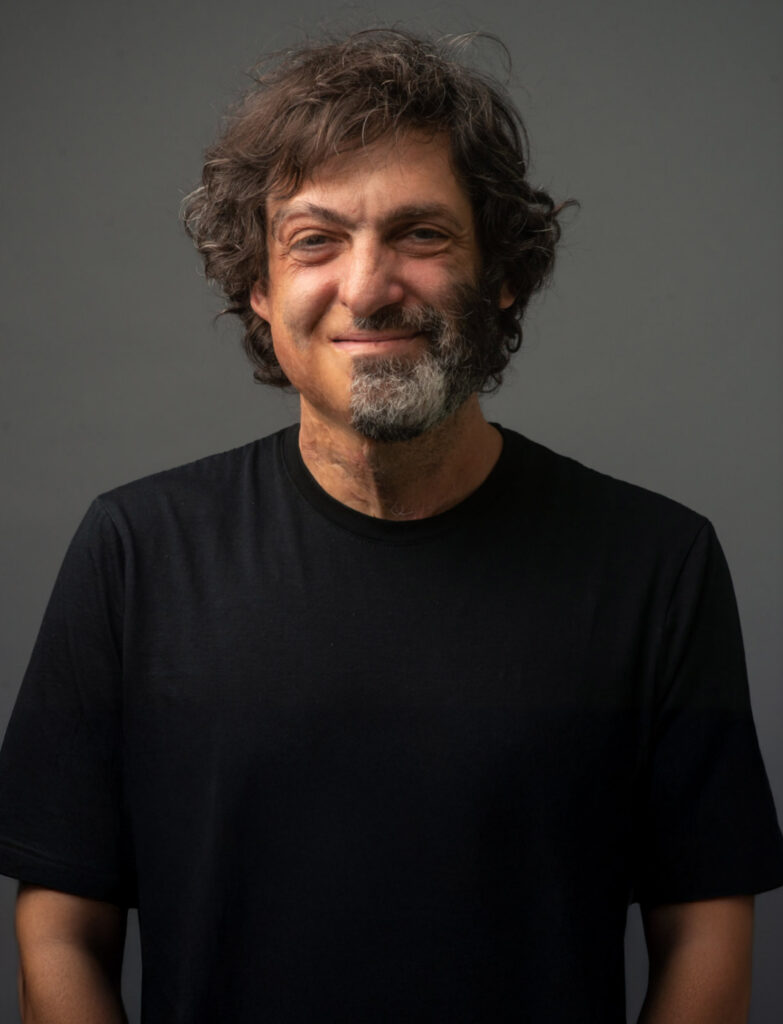
Dan Ariely
Speaker, Best-Selling Author & Professor
@ Duke University
TIME:
DURATION:
LOCATION:
LANGUAGE:
Despite our intentions, why do we so often fail to act in our own best interest? Why do we promise to skip the chocolate cake, only to find ourselves drooling our way into temptation when the dessert tray rolls around? Why do we overvalue things that we’ve worked to put together? What are the forces that influence our behavior? Dan Ariely is a professor of Psychology & Behavioral Economics at Duke University, is dedicated to answering these questions and others in order to help people live more sensible – if not rational – lives. His interests span a wide range of behaviors, and his sometimes, unusual experiments are consistently interesting, amusing and informative, demonstrating profound ideas that fly in the face of common wisdom.
Dan has also advised governments in South Africa, the Netherlands, Brazil, United Kingdom, US, Saudi Arabia, and Israel. Among the projects he has been involved with is how to help those in historically excluded populations stay in school, how to help women in these populations find work, and how to encourage more kids—girls especially—to study computer science. He has also worked on finding ways to address traffic congestion, reduce government bureaucracy, reducing prostitution, improve trust between government and citizens and increase motivation among principals, teachers, and students.
He is a founding member of the Center for Advanced Hindsight, co-creator of the film documentary (Dis)Honesty: The Truth About Lies, and a three-time New York Times bestselling author. His books include The Upside of Irrationality, The Honest Truth About Dishonesty, Irrationally Yours, Payoff, Dollars and Sense and Amazing Decisions. His latest book is Misbelief.
His first book, Predictably Irrational served as the inspiration for the hit NBC television show The Irrational.
What We Think We Know About Motivation But Don’t, and What We Don’t Know About Motivation, and We Should
Human motivation appears deceptively simple at first glance: pay people and they work harder; withhold payment and effort diminishes. Yet this transactional view fails to explain why we run marathons, climb mountains, write poetry, or why ancient humans created art far more beautiful than survival required. The reality is that motivation is profoundly complex and often counterintuitive.
Drawing on three distinct phases of research—controlled laboratory experiments, real-world field studies, and large-scale analyses of corporate and stock market data—this talk reveals the hidden architecture of human motivation. We’ll explore the mechanisms that truly drive sustained effort and excellence, many of which operate beneath our conscious awareness and contrary to conventional management wisdom.
The evidence challenges our assumptions about what inspires people to contribute their best work and demonstrates how misunderstanding motivation leads to costly organizational mistakes. From the corrosive effects of bureaucracy to the surprising power of goodwill, we’ll uncover principles that reshape how we think about engaging human potential. Understanding these dynamics isn’t just academically interesting—it’s essential for creating environments where individuals thrive and organizations prosper.
- Intrinsic motivation is the key – People perform at their highest levels when driven by internal rewards like mastery, purpose, and autonomy rather than external incentives alone.
- Goodwill is the secret for internal motivation – Trust, respect, and genuine care from organizations unlock discretionary effort that no compensation package can buy.
- We often ask people to do things that are not in their job description – The willingness to go beyond formal roles depends on psychological factors that traditional reward systems fail to address.
- Bureaucracy is a killer of human motivation – Administrative burden, rigid processes, and excessive rules suffocate the intrinsic drive that fuels innovation and commitment.
- When people are motivated, everyone benefits – Genuine motivation creates a rare alignment where management achieves objectives, shareholders see returns, and employees find fulfillment—a true win-win-win outcome.
Other Speakers

Where the Thinkers are
About
Connect
Sign-up for our Newsletter
Be the first to know all the news, speaker launches, special offers, and more.